

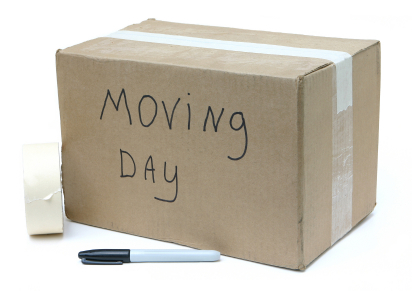
Whether this is your first time away from the parental unit or you’re a pro at finding a new rental pad, here are a few helpful reminders to make sure your credit doesn’t go packing with you!
1. Avoid maxing out your credit cards.
While it’s likely you adjusted your budget to account for the cost of moving, it’s important you don’t charge all of your moving expenses. Take into account the deposit terms, costs of renting a truck, home goods and other items that aren’t normally included in your budget. Relying on your credit cards to pay for these items can impact your score and leave you in a vulnerable situation should you not be able to make your monthly payments.
2. Forward your mail to your new address
Avoid missing timely billing statements or important mail by setting up mail forward with the Postal Service. In the midst of moving, reoccurring expenses like gym memberships, newspaper subscriptions and wireless plans can often be overlooked. Create a change of address checklist so you don’t forget to update your accounts with your new address.
3. Update your utilities
Be sure all your utility accounts are up-to-date before you cancel any utilities (cable, gas, water, electric) you might have had at your previous residence to avoid fees and collection penalties. Go one step further and set up your new utilities before you move so they are ready to be turned on as soon as your moving day approaches.
4. Be mindful of credit checks and inquiries
If you’re already planning your move, you’ve likely had your credit recently checked by property underwriters or a landlord/tenant screening company. Hold off on financing furniture and appliances through in-store credit to multiple inquiries on your credit report. Too many inquiries or a credit loan denial can negatively impact your credit.
5. Consider Online Bill Pay
New billing cycles and monthly premiums can cause anyone to lose track of their regular monthly bills. Online banking is provided free from most major financial institutions and can help ease into the routine. Additionally, monitoring and paying bills online will also give you a handy record of which accounts have been paid. This is especially important since many utilities providers now report histories to the credit bureaus.
This article is provided for general guidance and information. It is not intended as, nor should it be construed to be, legal, financial or other professional advice. Please consult with your attorney or financial advisor to discuss any legal or financial issues involved with credit decisions.
Published by permission from ConsumerInfo.com, Inc. © 2013 ConsumerInfo.com, Inc. All rights reserved.