
Finding an affordable apartment just got even harder. According to U.S. News & World Report, apartment occupancy rates are at a 10-year high, about 96 percent nationally. With fewer people interested in purchasing homes of their own, the increased demand for apartments means that rental prices are on the rise.
What Can You Afford?
The U.S. Department of Housing and Urban Development defines “affordable housing” as no more than 30 percent of a household’s income. Committing more than 30 percent of your income to rent may make it difficult to manage other financial necessities such as food, medical, utilities and transportation costs.
Another way to calculate the 30 percent equation is to divide your annual income by 40. For example, with an annual income of 36,000, reasonable rent payments would be $900 per month (36,000 divided by 40 equals 900). This is also the equation that many rental management companies and landlords use to determine whether or not a potential renter qualifies financially. If you live in an area like New York City or San Francisco where rent prices are known to be inflated, you may have to increase that estimate — and budget accordingly — but 30 percent is a secure number to start with.
Check out WilliamPaid’s rent calculator for an estimate on how much rent you can afford.
Location Logic
Living in a less desirable neighborhood may reduce rent costs, but that doesn’t necessarily mean you’ll have more money in your pocket. Living far away from work, school, family and social outlets may cost you more in car maintenance, gas and parking fees than you’ll save on rent. If you do choose a long-off location, look for apartments for rent by metro stations for easy commuting. Home buyers know that location is the most important consideration when investing in real estate, but renters should also consider how location will affect their quality of life.
Know the Details
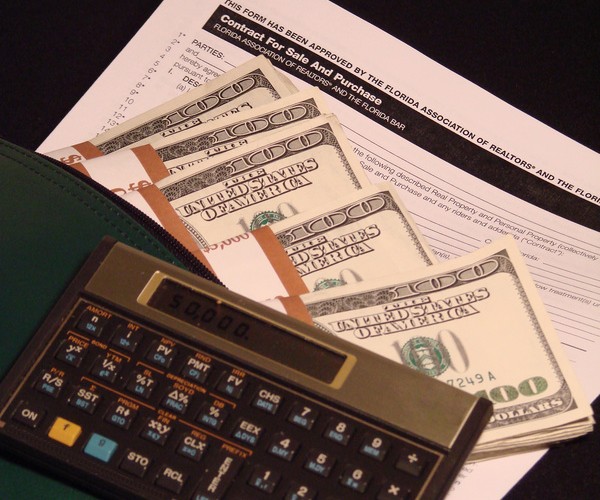
Don’t sign that rental contract until you’ve read and understand the details of the document. A lack of information is one of the most costly mistakes that a renter can make. The Better Business Bureau urges tenants to understand all of their responsibilities before making any legally binding agreements:
- How will maintenance and repairs be handled?
- How many people can occupy the apartment? Are roommates allowed?
- Can you sublet the apartment?
- Make certain that any oral agreements are included in the contract.
- In some areas, service providers for Internet or cable are limited. Make certain that you’re satisfied with the provider; you may be stuck with them for a long time.
- What are the conditions of your security deposit?
- Which utilities are you responsible for? Get an estimate of these bills if possible.
- What is the policy on pets?
- Never agree to rent an apartment without a thorough walk-through. Make sure that existing damages are documented, and all appliances are in good working order.
Be Prepared
You don’t want to miss out on that affordable apartment in the perfect location, because you didn’t have your paperwork together. U.S. News & World Report recommends that renters make themselves as desirable as possible before they start their apartment hunt. Having a good credit score, reference letters, deposits, cosigners and proof of employment in order may give you the edge in a competitive market.

Photo by BKLYN guy via Flickr
Learn more about online rent paying options through WilliamPaid.